
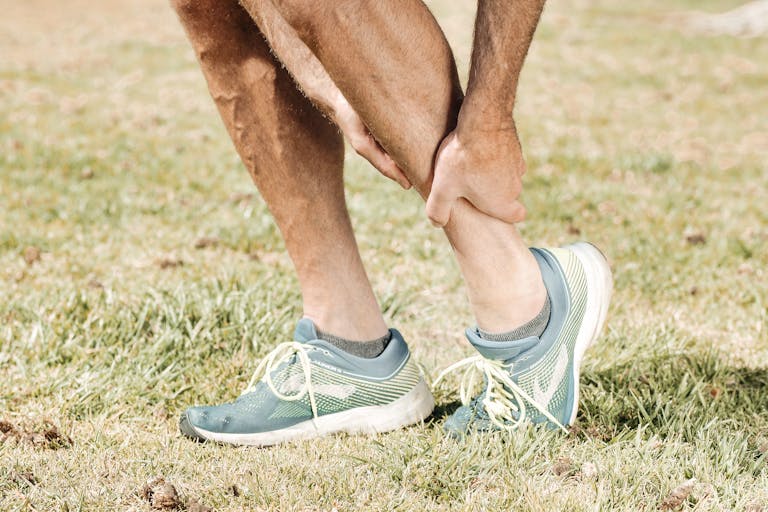
Your body adapts when something hurts – but what happens next?
Your body works as a connected system, so pain in one joint can change how you move, how much you do and how comfortable you feel. Understanding this can help you respond to pain without letting it take over your everyday life.
For example, stub your toe, and it’s not just the toe pain that changes how you move. Within minutes, you’re probably shifting your weight away from the sore foot onto the other one.
Movement isn’t produced by one joint working in isolation. Walking, reaching, balancing and even standing still rely on coordinated movement between your joints, muscles and nerves. When one part changes how it moves, other parts may adjust to keep the movement going.
How your body adapts
When a joint hurts, it’s natural to protect it. This short-term response is normal and helps you keep moving despite pain or restriction. However, if the altered movement pattern continues, it can become established and automatic, both while the problem is ongoing and after it has improved.
Over time, this may mean other areas consistently take on more of the movement or load. They may become tight or sore and, in some cases, this can contribute to discomfort elsewhere.
This doesn’t mean the painful joint is necessarily causing pain elsewhere. Your body is connected, but it doesn’t work like a simple chain reaction, and not every change in movement is harmful.
Common patterns worth knowing
If your hip is stiff, the way you walk may change, with other joints and muscles adapting to the reduced movement. This can sometimes be associated with discomfort in the lower back or knee.
A sore foot or ankle can also change the way you walk, which may be associated with discomfort around the knee or hip.
These are just examples – pain in one area doesn’t always mean another area is compensating. But they illustrate why a new ache can sometimes appear away from the original problem.
What this means for you
A few practical takeaways can help:
- Although you may want to avoid your usual activities, gentle movement rather than complete rest is often helpful for musculoskeletal pain. You can modify any movements that noticeably aggravate your symptoms.
- As you become more comfortable, you can gradually build strength and fitness with activities suited to your abilities.
- If you develop unexplained pain elsewhere, note where the pain is and when it started. This can be useful when discussing your symptoms with your chiropractor.
Pay attention to the bigger picture
Changes to your normal movement patterns can place different demands on other areas of your body over time. Pay attention to any new or persistent pain, even if it seems minor or unrelated.
If pain worsens, or starts affecting how you move or manage everyday activities, have it assessed to help work out what may be contributing to the problem and how best to keep moving.