
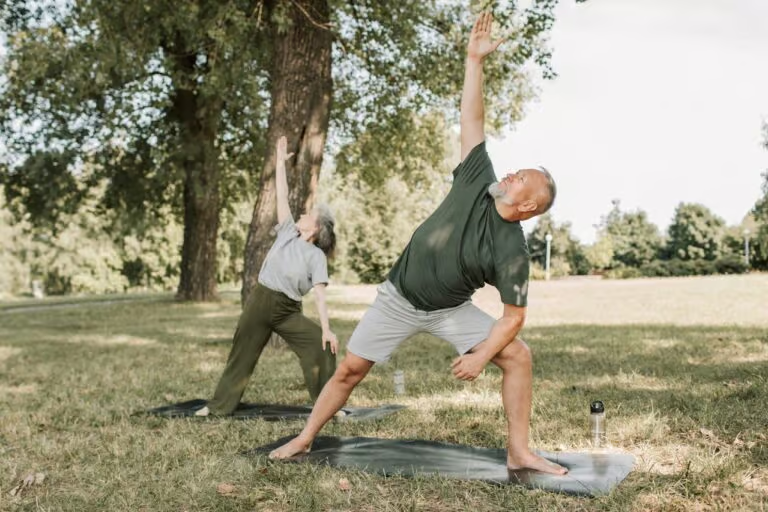
Why movement matters
Regular physical activity is essential for overall well-being. The more you move, the greater the potential benefits for your body and mind. Being active may help:
- lower the risk of heart disease and type 2 diabetes
- improve blood pressure, cholesterol, and blood sugar levels
- lower the risk of some cancers and support recovery
- maintain a healthy metabolism and weight
- strengthen muscles and bones
- improve mental health and reduce stress
As we age, metabolism naturally slows due to a combination of muscle loss, hormonal changes, and lifestyle factors. This means we burn fewer kilojoules, even when doing the same activities as before. Regular activity and strength-building exercises become increasingly important for maintaining muscle, bone density, and general health.
How much exercise is enough?
Everyone’s activity needs are different, and factors like age, health, and fitness level all play a part. In general, adults under 64 are encouraged to be active most days and include a mix of aerobic exercise, strength training, and stretching throughout the week. Adults over 64 also benefit from daily moderate physical activity, strength exercises, and gentle balance and flexibility work to help maintain mobility and stability.
Aerobic movement can include moderate activities such as brisk walking, swimming, cycling, gardening, or structured workouts. Vigorous activities – like running or stair climbing – offer an added challenge for those who are comfortable with them. No matter your age, it’s important to break up long periods of sitting by standing, stretching, or taking short walks.
Tips to stay active every day
Long breaks from exercise can reduce fitness levels, so it helps to keep activity regular. It doesn’t need to be complicated – try these simple ideas:
- Start small and stay consistent. Short sessions build the habit. Add time or intensity gradually; consistency matters more than intensity in the early stages.
- Set challenges to stay motivated. Track your progress, aim for new personal bests, or try slightly harder routes or strengthening as you improve.
- Mix up your routine. Switch between easier and harder days and vary activities to stay interested, lower your injury risk, and get a well-rounded workout.
- Choose activities you enjoy. Whether it’s dancing, hiking, or swimming, doing what you love makes it easier to stick with it. Music or podcasts while exercising can help keep you engaged.
- Move with others. Joining a walking group, sports club, or fitness class can make exercise more enjoyable and motivating.
If you’re unsure how to stay active safely, or need ideas that suit your health and mobility, we can guide you based on your individual needs.