Try this simple test: squat down to pick something up. Now try again while keeping your hips as still as possible. You’ll likely feel your back working harder and notice the movement is more limited.
How sitting affects your hips and glutes
Prolonged sitting keeps the hip flexors – the muscles that lift your knees towards your chest – in a shortened position. Over time, this may cause tightness and limit flexibility. This can change how the pelvis and spine move together.
At the same time, your glute muscles tend to be less active when you sit for long stretches. They may provide less support and power when you stand, walk, or climb stairs. This combination of tight hip flexors and underused glutes can alter your posture and the way you walk. Gradually, these changes may set the stage for overload and discomfort in the hips and lower back.
Signs that your hips may be restricted
Possible signs include:
- Trouble comfortably crossing your legs
- Difficulty bending for activities like putting on socks or tying shoelaces
- One hip consistently feels “tighter” than the other
- Pain or aching around your lower back or groin
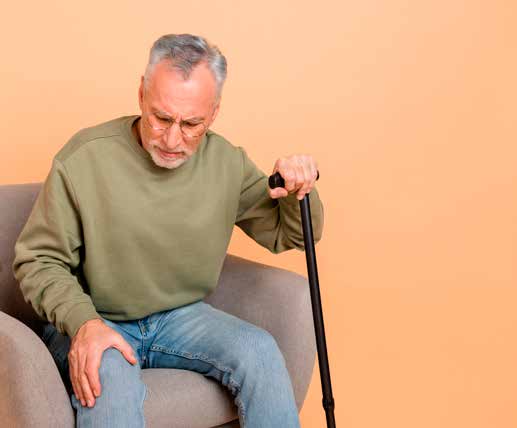
- Hip stiffness first thing in the morning, or after sitting for a while
These signs are not a diagnosis on their own, but they’re a good prompt to pay attention to your hip mobility.
Why your back may have to work harder
When your hips don’t rotate or extend properly, your body finds workarounds. Everyday tasks, like walking, lifting, or getting in and out of the car become harder. Your lower back picks up the slack. Repeatedly bending or twisting through the spine instead of the hips can irritate joints, muscles, and discs – like forcing a door to bend in the middle instead of at the hinges. Over time this extra load may contribute to stiffness, muscle spasm, and back pain.
Tips to support your hips and spine
Take breaks from sitting about every 30 minutes. If possible, use a sit–stand desk (see our article on standing desks for posture tips). Add simple hip-flexor stretches and glute-strengthening exercises, such as bridges, comfortable squats or sit-to-stands, to help improve strength and mobility. Focus on slow, controlled movement and good form.
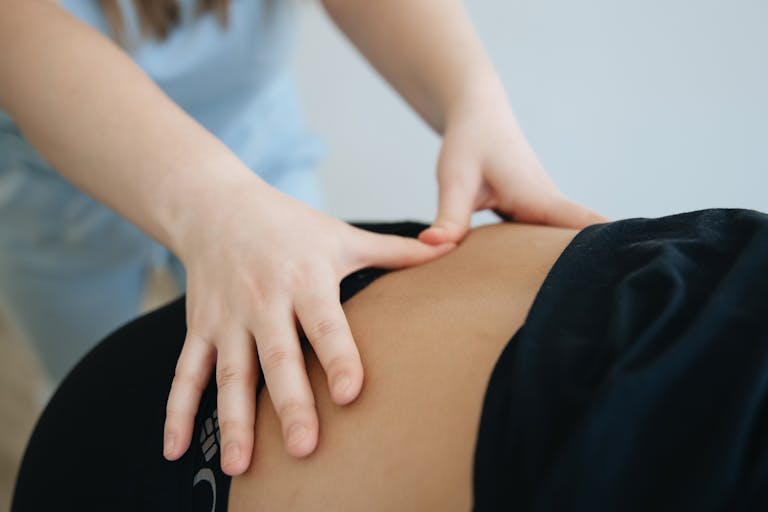
Chiropractors assess how the hips, pelvis, and spine move together, not just where pain shows up. We check joint mobility, muscle balance, and posture, which helps guide care aimed at improving movement and overall comfort.