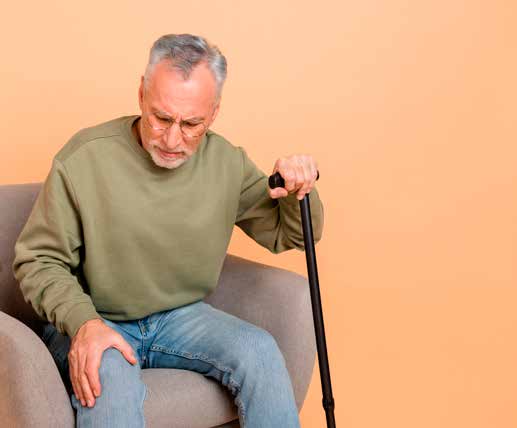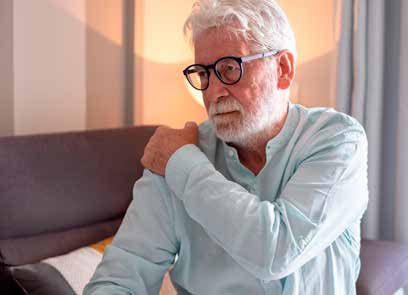
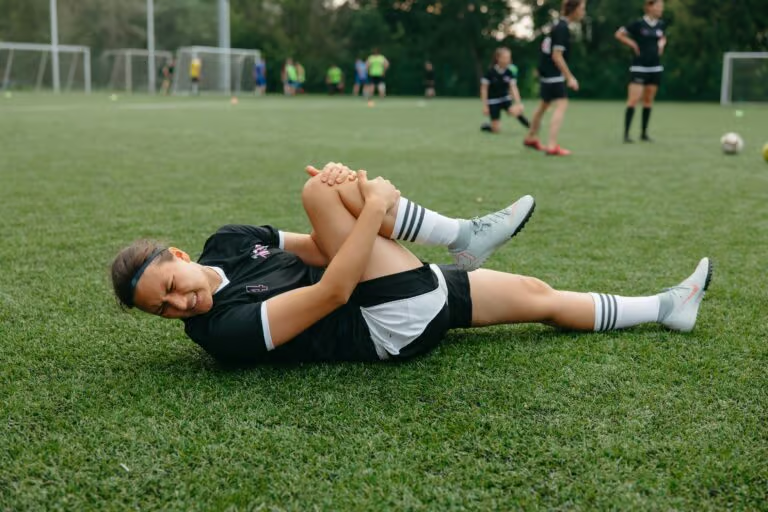
Moorebank and the surrounding Liverpool area has a strong sporting culture – from weekend AFL and rugby league to park runs, cricket, netball, and gym training. Staying active is one of the best things you can do for your long-term health, but sports injuries are an inevitable part of participation at any level. Knowing where to turn when injury occurs can make a significant difference to how quickly and fully you recover.
Common Sports Injuries Seen in Our Clinic
Soft tissue injuries are among the most frequent presentations we see from active Moorebank residents. Muscle strains and ligament sprains – in the ankle, knee, lower back, shoulder, and hamstring – can range from minor discomfort to more significant tears that require a structured rehabilitation programme.
Lower back pain and disc injuries are common in sports involving twisting, bending, and contact – AFL, rugby league, cricket, and golf all place considerable demands on the lumbar spine. Shoulder pain, including rotator cuff injuries and impingement syndromes, is frequently seen in swimming, cricket, and overhead gym exercises. Runner’s knee, iliotibial band syndrome, and shin splints are regular presentations from the area’s running community.
Overuse injuries deserve particular mention. These develop gradually through repetitive stress – often in athletes who have increased their training load, changed their technique, or neglected rest and recovery. Tendinopathies of the Achilles, patella, and rotator cuff tendons are among the most common presentations of this type.
How Chiropractic Fits Into Sports Injury Management
Chiropractic care for sports injuries involves a thorough assessment of the injured structure and the biomechanical context in which the injury occurred. Understanding why a particular area was loaded beyond its capacity is as important as treating the injury itself – without addressing contributing factors, the likelihood of recurrence remains high.
Assessment examines the injured area in detail, but also looks at the spine, pelvis, and adjacent joints to identify any underlying dysfunction that may have contributed to the problem. Functional movement screening helps identify compensatory patterns and movement faults that increase injury risk.
Treatment may include spinal and extremity joint adjustments to restore normal mechanics, soft tissue therapy to address muscle tension and promote healing, and rehabilitation exercises to rebuild strength and movement quality. The specific approach is tailored to the type and stage of injury, the demands of your sport, and your individual recovery goals.
The Importance of Rehabilitation
One of the most common mistakes in sports injury management is discontinuing treatment as soon as pain resolves. Pain reduction is an early milestone in recovery, not the endpoint. The tissues that were injured need time to remodel and strengthen, and the movement patterns that contributed to the injury need to be corrected to prevent recurrence.
A structured rehabilitation programme progresses from basic pain-free movement to sport-specific loading, ensuring that you return to activity with the capacity to perform and the resilience to stay healthy. This process takes longer than simply waiting for pain to settle, but it produces substantially better outcomes.
Getting Back to What You Love
Whether you’re training for a competition, trying to stay fit, or just want to play sport with your friends and family on weekends, our goal is to get you back to full participation as quickly and safely as possible. If you’ve sustained a sports injury in Moorebank or the surrounding area, contact our clinic to arrange an assessment.