What does “neuromusculoskeletal” mean?
The term sounds technical, but simply means how your nervous system, muscles, and joints work together to keep you moving efficiently. “Neuromuscular” focuses on nerves and muscles, but the overall process is similar. When this communication is disrupted, movement can become less efficient.
How and why movement patterns change
After an injury, like a sprained ankle or strained back, your body naturally protects the affected area. This can alter how you move to limit pain. This short-term strategy helps you cope and feel safer while the area is sensitive, but if these patterns continue after healing, new problems can arise.
Pain can affect how your brain and nervous system “talk” with your body. Muscles may activate differently, movements may be less coordinated, and joints may be loaded unevenly. Over time, this can contribute to flare-ups, discomfort in other areas, or recurring injuries.
Retraining movement correctly
Neuromusculoskeletal rehabilitation aims to retrain these patterns so that your body moves confidently and efficiently again. Rather than focusing on one aspect, like strength alone, it combines several key elements:
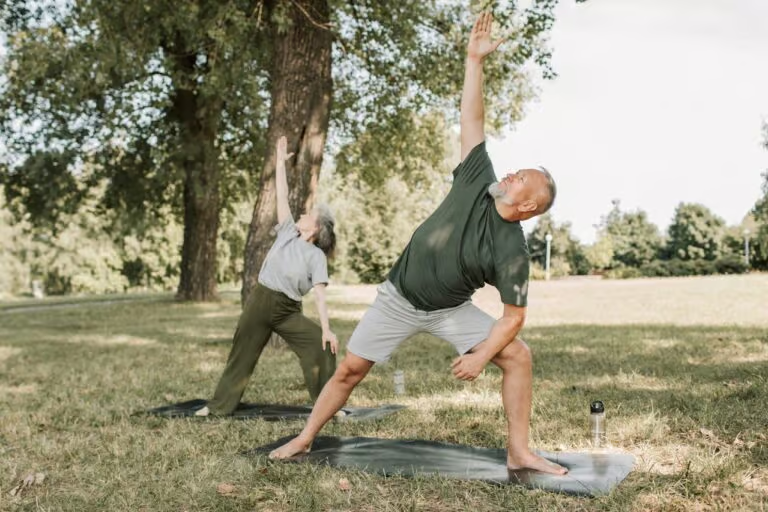
- Joint mobility: gentle, controlled movements can help restore normal motion.
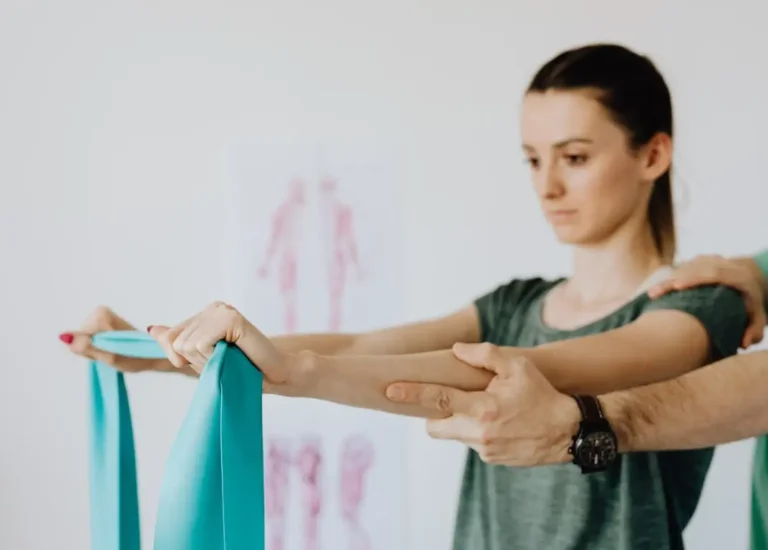
- Muscle strengthening: rebuilding strength, especially in muscles that stabilise joints and core, supports coordinated movement.
- Balance and coordination: targeted exercises improve proprioception – your body’s sense of position in space – which can be disrupted by injury.
- Motor control training: task-oriented exercises help your nervous system relearn healthy movement and reduce protective patterns.
For example, someone recovering from a sprained ankle might start with balance and range-of-motion exercises before progressing to walking or agility activities. A person with neck or shoulder problems might rebuild strength while retraining posture and movement for everyday tasks.
Why this matters
Recovery isn’t just about reducing pain; it’s about restoring confident, natural movement. This rehabilitation works by re-educating the nervous system, improving joint function, and building muscle control. It helps your body move more smoothly, supports muscles and joints, and can help reduce the risk of future injuries.
Many people notice positive changes even before discomfort fully disappears. Movements may feel smoother, balance and coordination improve, and tasks that used to feel difficult – like climbing stairs, lifting groceries, or bending to tie shoes – become easier. Over time, these small improvements add up, helping you move more comfortably and confidently.
Whether you’re dealing with chronic aches, stiffness from long-standing habits, or the lingering effects of an injury, this approach can help your body function the way it’s designed to: strong, adaptable, and as comfortable as possible.